

|
Quantity
|
Out of stock
|
||
|
|
|||
|
|
|||
Polycarbonate for Printing Functional and Strong Products
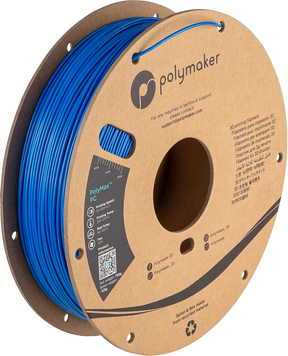
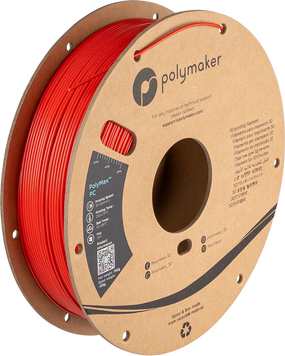
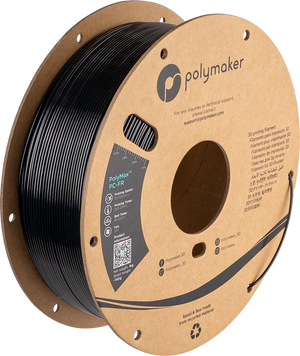
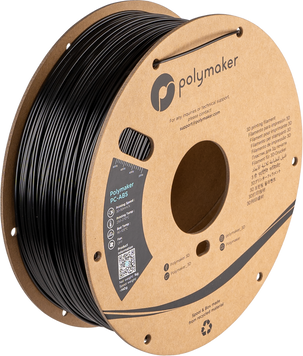
Polycarbonate (PC) is a strong, rigid, and heat-resistant plastic widely used in 3D printing for creating high-load and functional parts. This engineering material combines excellent mechanical properties with high thermal stability, making it one of the most popular plastics for professional manufacturing. PC filament provides exceptional impact resistance — it withstands significant loads without cracking or deformation, allowing for the creation of components that operate in challenging conditions across mechanical engineering, electronics, aerospace, and the automotive industry.
Key Properties of Polycarbonate
Polycarbonate features high heat resistance — products made from it can withstand constant contact with temperatures up to 110–120°C without losing their mechanical properties. Another important property of PC is its resistance to many chemicals, making the filament suitable for creating elements that come into contact with oils, solvents, or aggressive environments.
Despite the increased printing complexity, polycarbonate enables the creation of truly strong and durable products that surpass many other analogs in mechanical characteristics.
Recommendations for Printing Polycarbonate
Printing with PC plastic requires thorough preparation and careful setup. The extruder temperature for PC filaments usually ranges between 260–310°C, and the bed should be heated to at least 100–120°C. Using a closed or thermostable chamber is critical to preventing warping, which can occur due to uneven cooling.
PC is sensitive to moisture, so it must be thoroughly dried before printing — otherwise, defects will appear on the surface of the finished product, and layer adhesion will deteriorate. A drying temperature of about 55–85°C for at least 6 hours is recommended. Another specific aspect of working with PC plastic is its incredible adhesion to various surfaces. To prevent lifting or deformation, it is recommended to use adhesives that ensure reliable bonding and easy removal of parts after printing is complete.
Where is Polycarbonate Used?
- Industrial Manufacturing. Creating tools, prototypes, fasteners, gears, and parts that must withstand loads and impact effects.
- Automotive Industry. Body elements, holders, technical inserts, lighting components, and other critical spare parts.
- Electronics. Manufacturing housings for electronic devices, insulators, and protective covers.
- Medicine and Prosthetics. Printing various elements of medical devices, tools, and prototypes for orthopedic products where strength and heat resistance are vital.
Thanks to the combination of strength and resistance to external influences, polycarbonate has become an indispensable material in many fields where endurance and precision are required from parts.
In the Look-Feel-Live-3D online store catalog, you will find proven products that combine high quality and the best characteristics for professional use. We will help you select the material for specific tasks and consult on the correct printing parameters so you can fully unlock the potential of the chosen products. Create reliable and durable parts with LFL3D!